Does Playing Surface Matter? Turf vs. Grass and Groin Injury Risk in Football
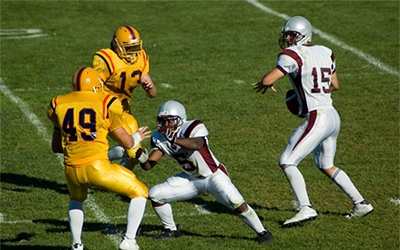
Ask football players whether they would rather play on grass or turf and you are likely to get strong opinions. But the debate is about more than comfort.






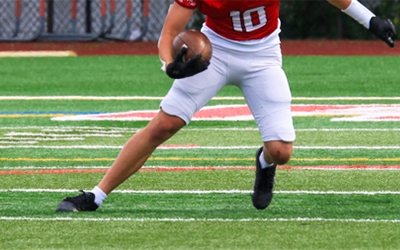
Ask football players whether they would rather play on grass or turf and you are likely to get strong opinions. But the debate is about more than comfort.
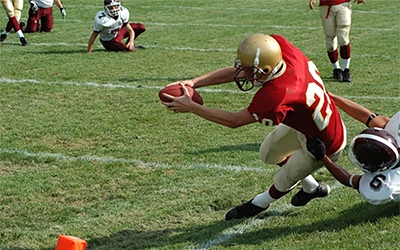
Football asks a lot of your hips. Every sprint, cut, kick, and tackle sends force through the joint and the muscles around it, so some soreness after a hard game is expected. Most of the time, that soreness fades with rest.

A dancer extends into a high kick and hears it again: a distinct snap or pop deep in the hip, sometimes loud enough that people nearby notice. It may not cause pain the first hundred times it happens.

July is when track and field athletes are deep into their competitive season, carrying months of training load into their most important meets. It is also when hip flexor strains spike.

A diagnosis of juvenile arthritis affecting the hip is not something most parents anticipate, and the questions that follow can feel overwhelming. Will my child need surgery? Will this affect their growth? Can they still play sports?
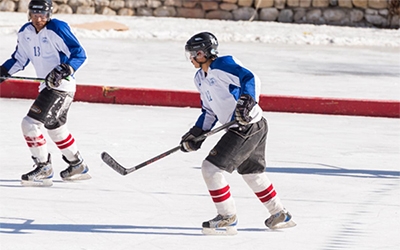
Every Stanley Cup run tells a story of speed, grit, and sacrifice. Fans see the goals, saves, and hits, but not the hidden toll beneath the surface. Hip and groin injuries such as athletic pubalgia and hip impingement can sideline players, shorten careers, and linger long after retirement.
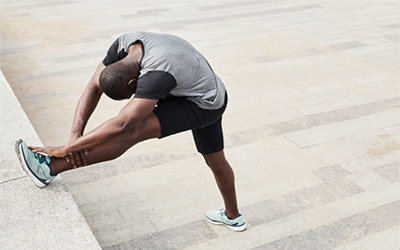
A sudden pop in the back of the thigh, followed by sharp pain and weakness, can signal more than a routine strain. For active individuals, this type of injury can significantly impact mobility and performance.

Between rigorous practice schedules, year-round competition, and the pressure to perform, today's teen athletes are putting their bodies under more stress than ever before.
Explosive movements like sprinting, cutting, or pivoting are the hallmark of elite performance, yet they place immense strain on the abdominal wall.

That sudden "pop" followed by sharp groin pain isn't always a simple muscle strain. For a sprinting teenager or a soccer-playing young adult, it could be something much more specific to their developing skeleton.