


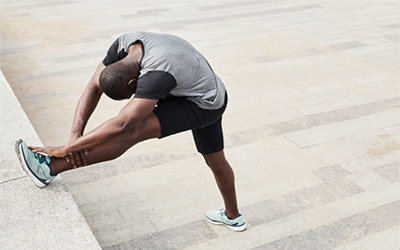
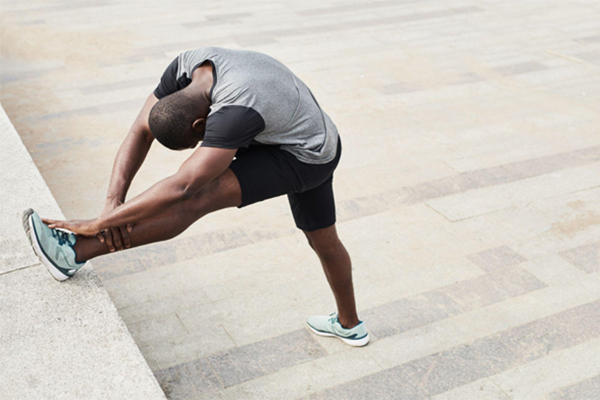
A sudden pop in the back of the thigh, followed by sharp pain and weakness, can signal more than a routine strain. For active individuals, this type of injury can significantly impact mobility and performance. While many hamstring injuries heal with rest and therapy, some require more advanced care. Here is what patients need to know about hamstring avulsion surgery and when it becomes the right path forward.
Understanding Hamstring Avulsion Injuries
A hamstring avulsion occurs when one or more of the three hamstring tendons detach from the bony prominence at the back of the pelvis, often as a result of a sudden, forceful movement such as a sprint, a fall, or an extreme stretch. These injuries are classified by the number of tendons involved and the degree of retraction, which is how far the tendon has pulled away from the bone. Complete avulsions involving two or three tendons with significant retraction are the injuries most likely to require surgical repair.
Signs Non-Surgical Treatment Isn’t Enough for a Hamstring Tear
For partial avulsions or cases with minimal tendon retraction, non-surgical management, including rest, anti-inflammatory medications, and a structured physical therapy program, can yield satisfactory results. However, conservative treatment has its limitations. Patients who experience persistent weakness, chronic pain, difficulty with activities like climbing stairs or running, or those with complete three-tendon avulsions are typically considered surgical candidates. Delayed or untreated complete avulsions often lead to long-term functional deficits, making timely evaluation critical.
Surgical Repair of Hamstring Tendon Tears: What to Expect
During the procedure, an incision is made in the posterior thigh and buttock region to access the retracted tendon. The tendons are then carefully mobilized and reattached to the ischial tuberosity using specialized suture anchors that secure the tissue firmly back to bone.
The complexity of the surgery depends on several factors, including how much the tendon has retracted, how long ago the injury occurred, and whether there is scar tissue formation around the sciatic nerve, a structure that must be carefully protected throughout the procedure.
Recovery and Rehabilitation After Hamstring Avulsion Surgery
Recovery from hamstring avulsion surgery requires patience and commitment. The initial phase involves protected weight-bearing with crutches for several weeks, followed by a progressive physical therapy program focused on restoring flexibility, strength, and functional movement. Most patients can expect a return to light activity within three to four months, with athletes typically resuming full sport participation between six and twelve months post-surgery.
Seeking Specialized Care in New York
For patients in the New York metropolitan area dealing with a hamstring avulsion injury, consulting a fellowship-trained hip and groin specialist is the most important first step. A thorough evaluation allows the specialist to assess the extent of the injury and determine whether surgery is truly necessary or whether a conservative approach may still be effective. Prompt, expert care is the key to the best possible outcome.
Frequently Asked Questions
1. How do I know if my hamstring injury is an avulsion and not a strain?
Severe pain, bruising, weakness, and difficulty bearing weight after a sudden injury may cause an avulsion, but imaging like an MRI is needed for confirmation.
2. Is hamstring avulsion surgery always necessary?
No, partial tears with minimal retraction can often heal with conservative treatment, while complete avulsions are more likely to require surgery.
3. How soon should surgery be performed after an avulsion injury?
Early surgical repair, typically within a few weeks, often leads to better outcomes and easier tendon reattachment.
4. What is the success rate of hamstring avulsion surgery?
Most patients experience significant pain relief and improved strength, with many returning to their previous level of activity.
5. When can I return to sports after surgery?
Return to sport usually occurs between 6 to 12 months, depending on healing, rehabilitation progress, and the demands of the activity.
Reference Links:
- Outcomes After Operative and Nonoperative Management of Hamstring Injuries: A Systematic Review - PubMed Central
- A systematic review of surgical intervention in the treatment of hamstring tendon ruptures: current evidence on the impact on patient outcomes - PubMed Central
AUTHOR: Srino Bharam, MD, MBA – Hip Preservation & Groin Orthopaedic Surgeon
Srino Bharam, MD, MBA, founder of the Hip Preservation & Groin Center in NYC, is a board-certified orthopaedic specialist with subspecialty certification in sports medicine, dedicated to hip and groin preservation and restoring active, healthy movement. Internationally recognized for master-level expertise in hip care, Dr. Bharam specializes in advanced treatment of hip and groin conditions, helping patients, from athletes to active individuals, return to peak function through comprehensive, patient-centered care.
Credentials & Recognition
Dr. Bharam trained under world-renowned hip surgeon Marc Philippon and completed additional training at Massachusetts General Hospital, where he received the Harvard Partners in Excellence Award for Orthopaedic Trauma Service. He is board certified by the American Board of Orthopaedic Surgery with subspecialty certification in sports medicine.
He serves as a physician consultant to the National Hockey League Players' Association and is a Full Professor of Orthopaedic Surgery. Dr. Bharam is an active fellow of the American Academy of Orthopaedic Surgeons and the American Orthopaedic Society for Sports Medicine, and has been recognized as a Master Instructor in Hip Arthroscopy by the Arthroscopy Association of North America for more than a decade. He is also a member of the International Association for Dance Medicine & Science.
Dr. Bharam has been consistently recognized among the nation's leading orthopaedic surgeons, named a Castle Connolly Top Doctor multiple times, a New York Magazine Top Orthopaedic Surgeon, and one of America's Top Doctors — peer-nominated honors reflecting excellence among the top 7% of U.S. physicians.
Clinical Expertise & Academic Contributions
Dr. Bharam focuses on advanced hip preservation, groin injury management, and sports-related orthopaedic care. He performs surgery at leading institutions including Northwell Health, NewYork-Presbyterian Hospital, Hackensack Meridian Health, and Mount Sinai, as well as ambulatory surgical centers.
A prolific author and investigator, Dr. Bharam has published extensively in peer-reviewed orthopaedic literature and has served as guest editor for Orthopaedic Clinics of North America and Clinics in Sports Medicine. His academic and clinical work centers on improving outcomes, advancing hip preservation techniques, and optimizing return to activity for patients at every performance level.
Medical Disclaimer: This information is provided for educational purposes only and does not constitute medical advice. For diagnosis and treatment recommendations, please consult with Dr. Bharam.